| # | image | text | subset | pathology | roi_text | magnification | height | width |
|---|
1
|
|
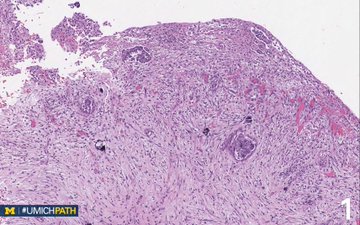
Peritoneum, Day 4 These two biopsies (1 & 2) were taken from the same patient. What is your DailyDx of each of these peritoneal biopsies? What other finding is most likely to be present in this patient? Answers & quick facts tomorrow! UMichPath SurgPath
|
openpath
|
|
|
|
|
|
2
|
|
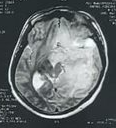
Teenager with a large hemispheric tumor."PNET"-like morphology, with Olig2 negative and ATRX loss. What is the most likely diagnosis?PathTwitter neuropath neurotwitter
|
openpath
|
|
|
|
|
|
3
|
|
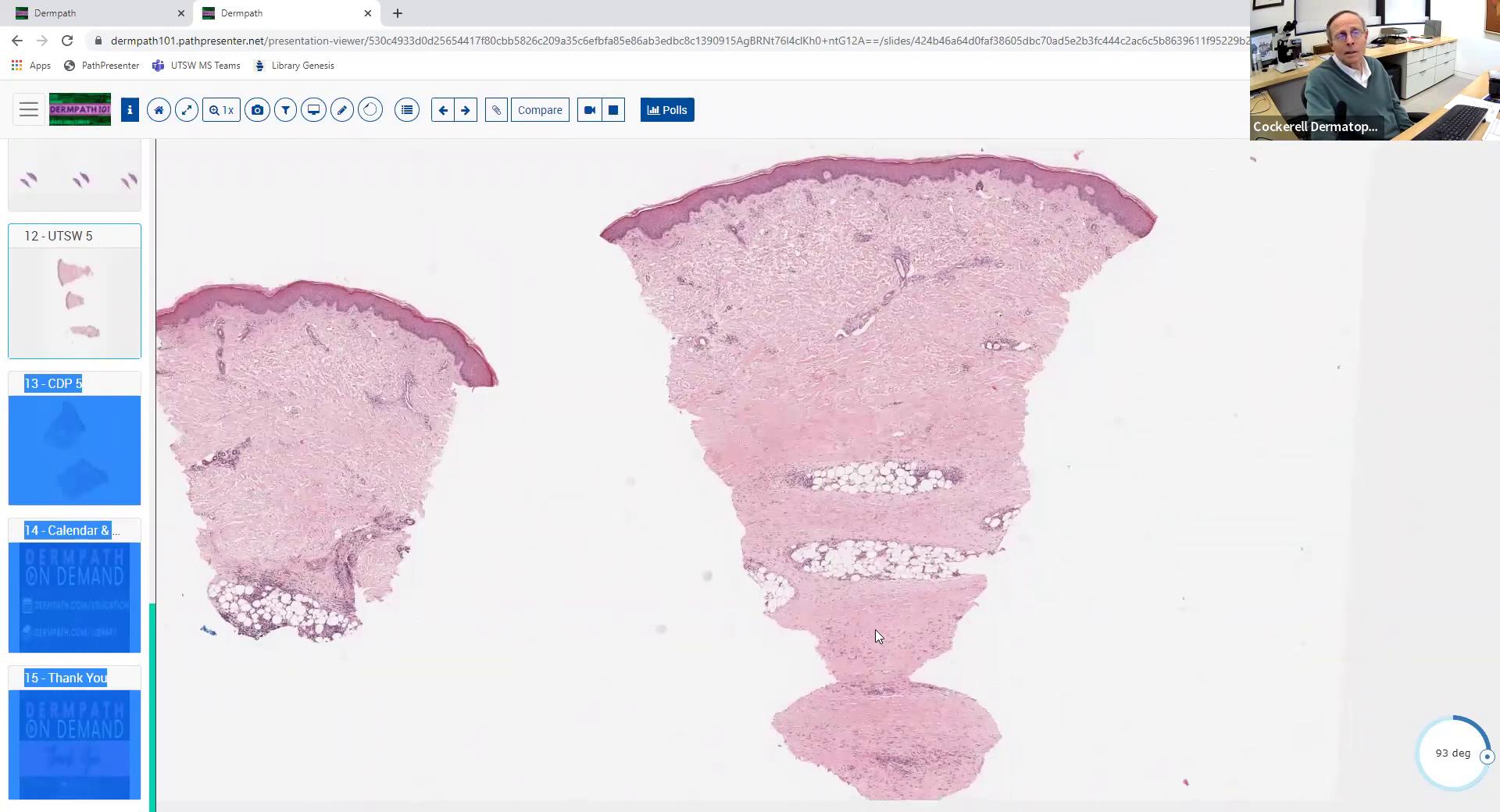
some eosinophils in there as well. So just remember that. And again, maybe at some point in the future that may be some kind of therapeutic intervention, but you almost always see plasma cells when you get these sclerotic disorders. So I would recommend knowing those. I would also know some of the other conditions that you can get sclerosis in that are not really classically related to morphia, scleroderma form change that you see with some cases of chronic PCT, graft versus host disease, toxic oil, L-tryptophan deficiency, and then the differential diagnosis of nephrogenic systemic fibrosis, even though we don't see that many cases anymore of that today, because gadolinium isn't really being used as much as it used to be. That's not really a sclerotic disorder. It's a fibrotic disorder, but it also gives you very thick, deep involvement that goes all the way down to the fascia and even
|
quilt
|
['Dermatopathology', 'Soft tissue', 'Breast']
|
[]
|
0.0
|
1040.0
|
1920.0
|
4
|
|
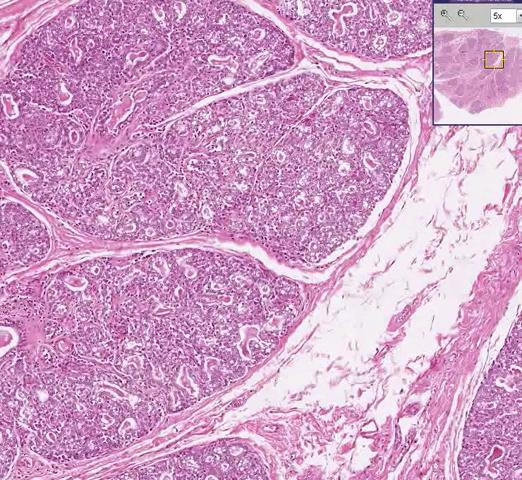
tissue. So this is totally consistent with hyperplasia which is a normal type of hyperplasia of pregnancy. Also notice that there is very little by way of secreted milk material within these acini. There may be a little bit but for the most part they're not distended like thyroid follicles with milk. So the although this is a pregnant breast there is probably not a significant amount of lactation here. That's all I want to say about this case.
|
quilt
|
['Breast', 'Gynecologic', 'Soft tissue']
|
['Breast tissue with hyperplasia']
|
1.0
|
480.0
|
522.0
|
5
|
|
tissue. So this is totally consistent with hyperplasia which is a normal type of hyperplasia of pregnancy. Also notice that there is very little by way of secreted milk material within these acini. There may be a little bit but for the most part they're not distended like thyroid follicles with milk. So the although this is a pregnant breast there is probably not a significant amount of lactation here. That's all I want to say about this case.
|
quilt
|
['Breast', 'Gynecologic', 'Soft tissue']
|
['Breast tissue with hyperplasia']
|
1.0
|
480.0
|
522.0
|
6
|
|
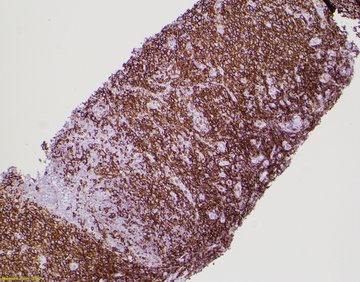
(1/6) MF in large cell transformation IHC stains show positivity for CD3 (top right), CD4 (bottom left) and CD5 (bottom right) in the large neoplastic cellshemepath lymsm PathTwitter hemepathMDA
|
openpath
|
|
|
|
|
|
7
|
|
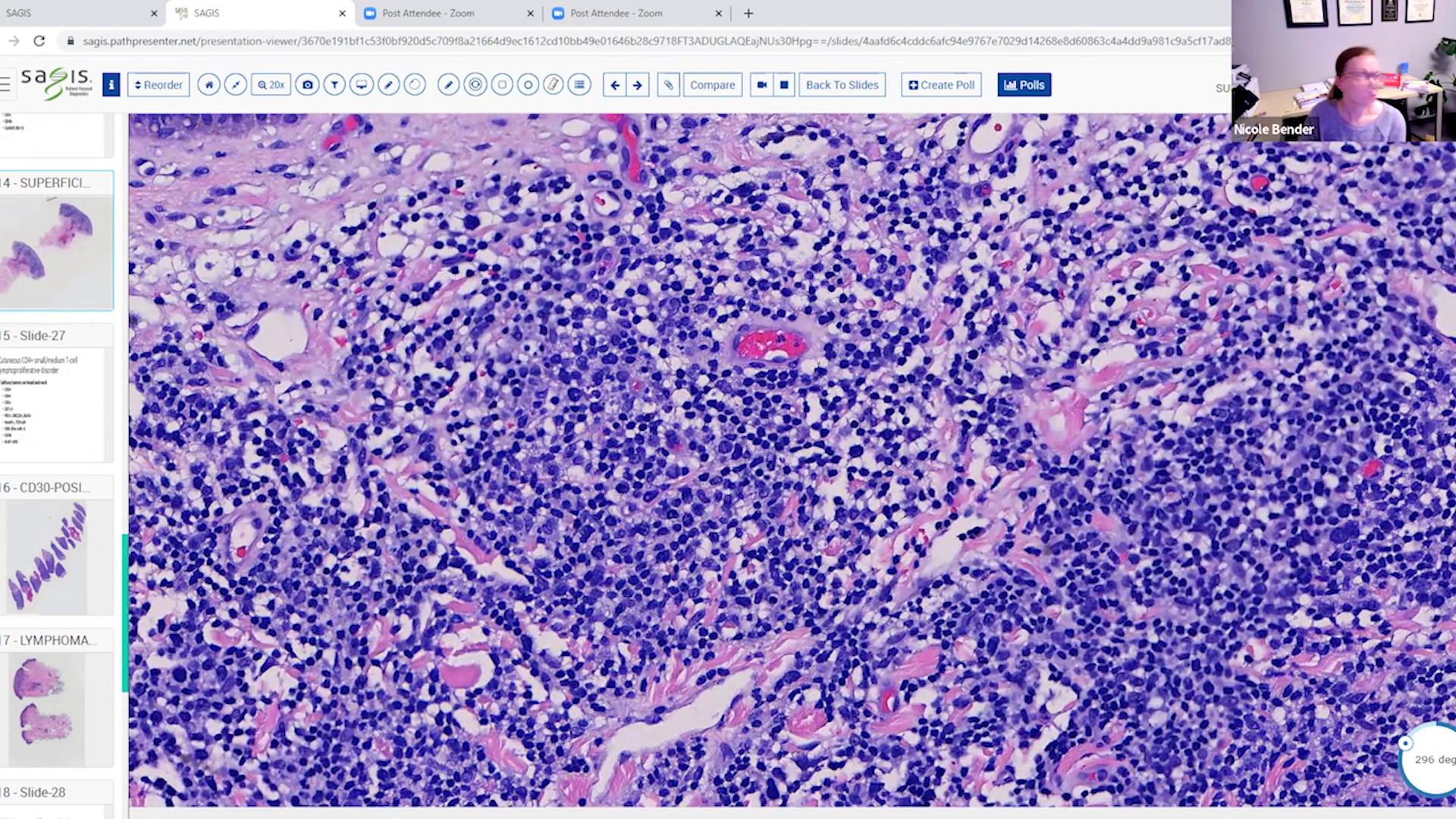
These cells, let's take a look at them, are, again, similarly kind of small to medium in size. Nondescript, they're hyperchromatic nuclei. They have probably a little bit more pleomorphic nuclear features compared to the last case that we just looked at. As well, there's no real architecture to this, so, again, we kind of need a little bit of more IHC to guide us for this. I guess another thing just to point out is that
|
quilt
|
['Hematopathology', 'Dermatopathology', 'Head and Neck']
|
[]
|
2.0
|
1080.0
|
1920.0
|
8
|
|
These cells, let's take a look at them, are, again, similarly kind of small to medium in size. Nondescript, they're hyperchromatic nuclei. They have probably a little bit more pleomorphic nuclear features compared to the last case that we just looked at. As well, there's no real architecture to this, so, again, we kind of need a little bit of more IHC to guide us for this. I guess another thing just to point out is that
|
quilt
|
['Hematopathology', 'Dermatopathology', 'Head and Neck']
|
[]
|
2.0
|
1080.0
|
1920.0
|
9
|
|
These cells, let's take a look at them, are, again, similarly kind of small to medium in size. Nondescript, they're hyperchromatic nuclei. They have probably a little bit more pleomorphic nuclear features compared to the last case that we just looked at. As well, there's no real architecture to this, so, again, we kind of need a little bit of more IHC to guide us for this. I guess another thing just to point out is that
|
quilt
|
['Hematopathology', 'Dermatopathology', 'Head and Neck']
|
[]
|
2.0
|
1080.0
|
1920.0
|
10
|
|
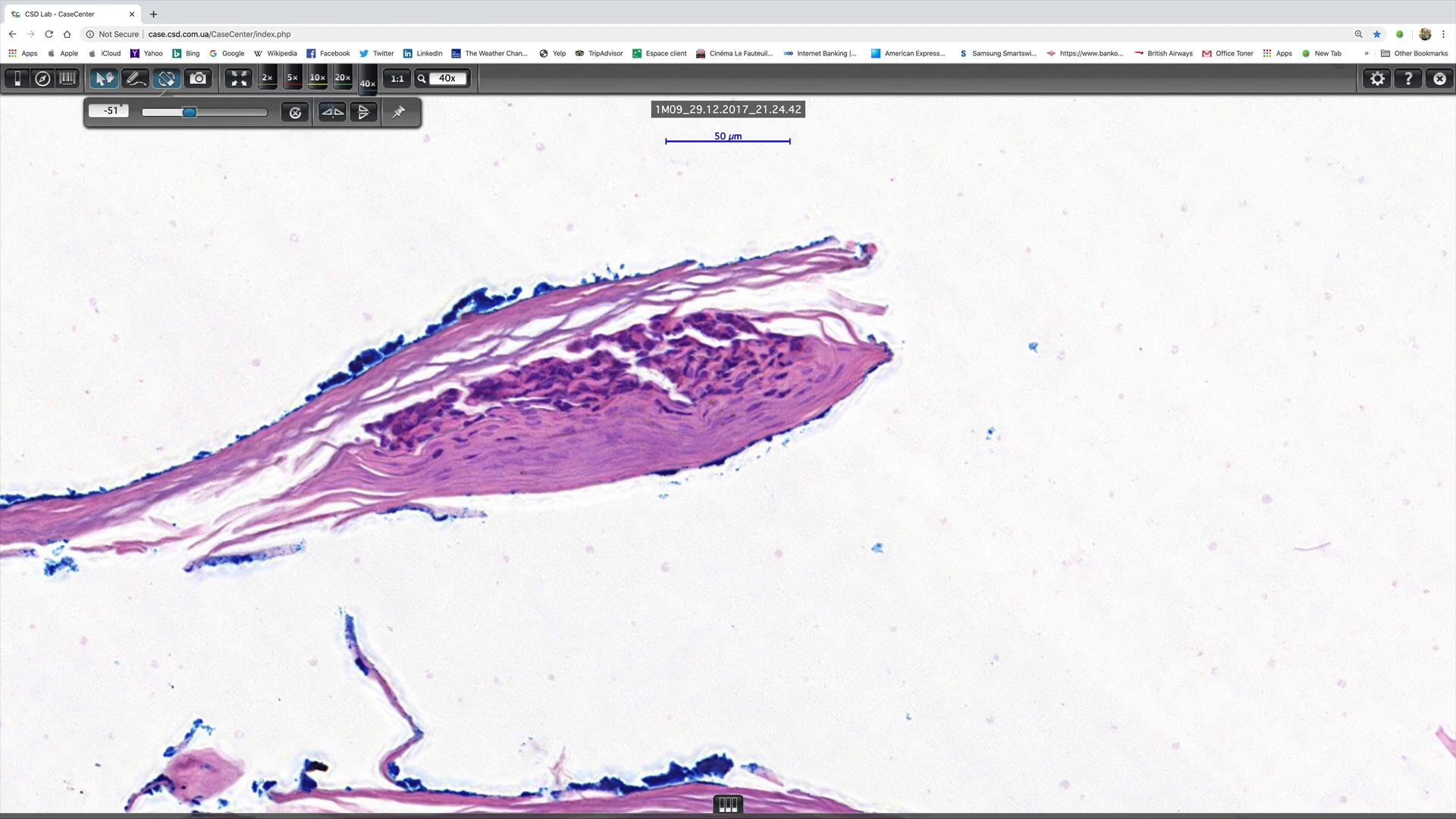
so that would fit quite nicely. And if we look here, there are the neutrophils, and I don't know whether, there's a times 40, and so you can see orthokeratosis, parakeratosis and neutrophils in the middle. And we're going to go back just to the lower power, because I wanted just to have a little look at the vessels, because they're an important and integral part of diagnosing any variant of psoriasis, so let's look at those at very high power.
|
quilt
|
['Dermatopathology', 'Soft tissue', 'Hematopathology']
|
['neutrophils', 'orthokeratosis', 'parakeratosis', 'neutrophils']
|
0.0
|
1080.0
|
1920.0
|