| # | nasa_id | title | description | center | secondary_creator | date_created | image_url | image_width | image_height | image_bytes | license | keywords_json |
|---|
1
|
0100057
|
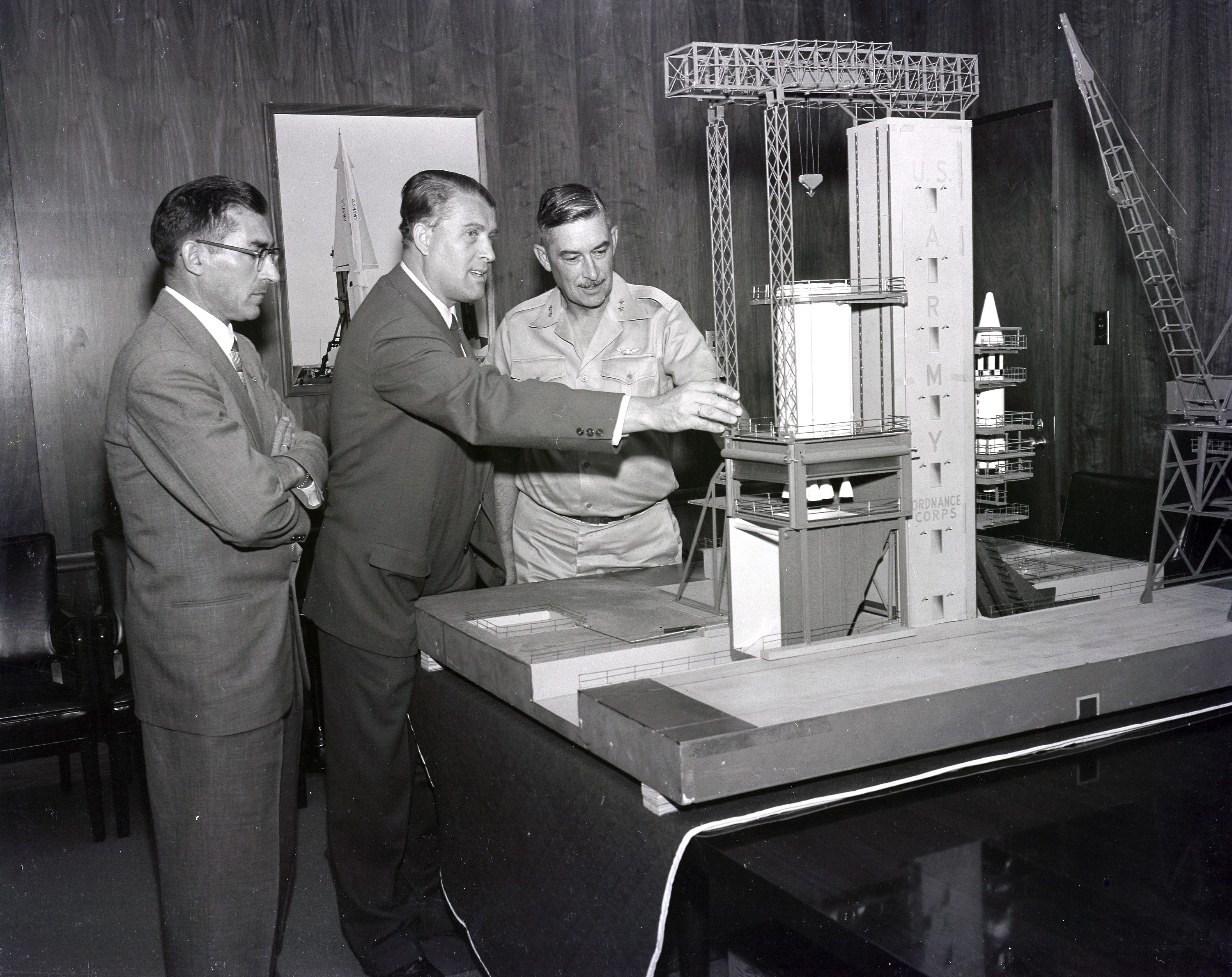
Origin of Marshall Space Flight Center (MSFC)
|
(From left to right) Karl L. Heimburg, Director of the Test Laboratory; Dr. Wernher von Braun, Director of the Development Operation Division; and Major General John B. Medaris with the model of S-1B Test Stand. Gen. Medaris was a Commander of the Army Ballistic Missile Agency (ABMA) in Redstone Arsenal, Alabama, during 1955 to 1958.
|
MSFC
|
|
1958-01-01T00:00:00Z
|
https://images-assets.nasa.gov/image/0100057/0100057~orig.jpg
|
|
|
|
PD
|
["Karl L. Heimburg", "Dr. Wernher von Braun", "Major General John B. Medaris"]
|
2
|
116-KSC-68P-17
|
KSC-68P-17
|
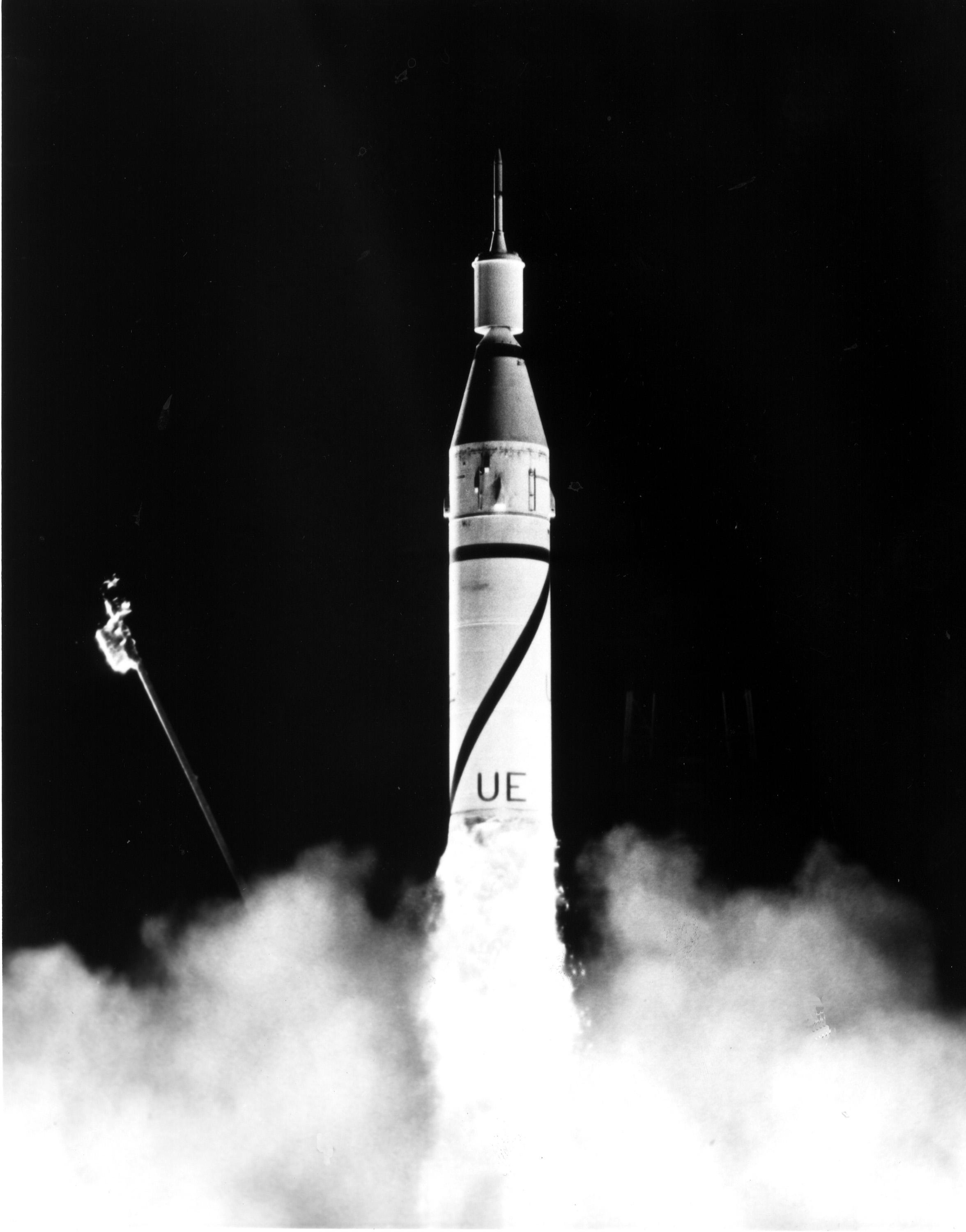
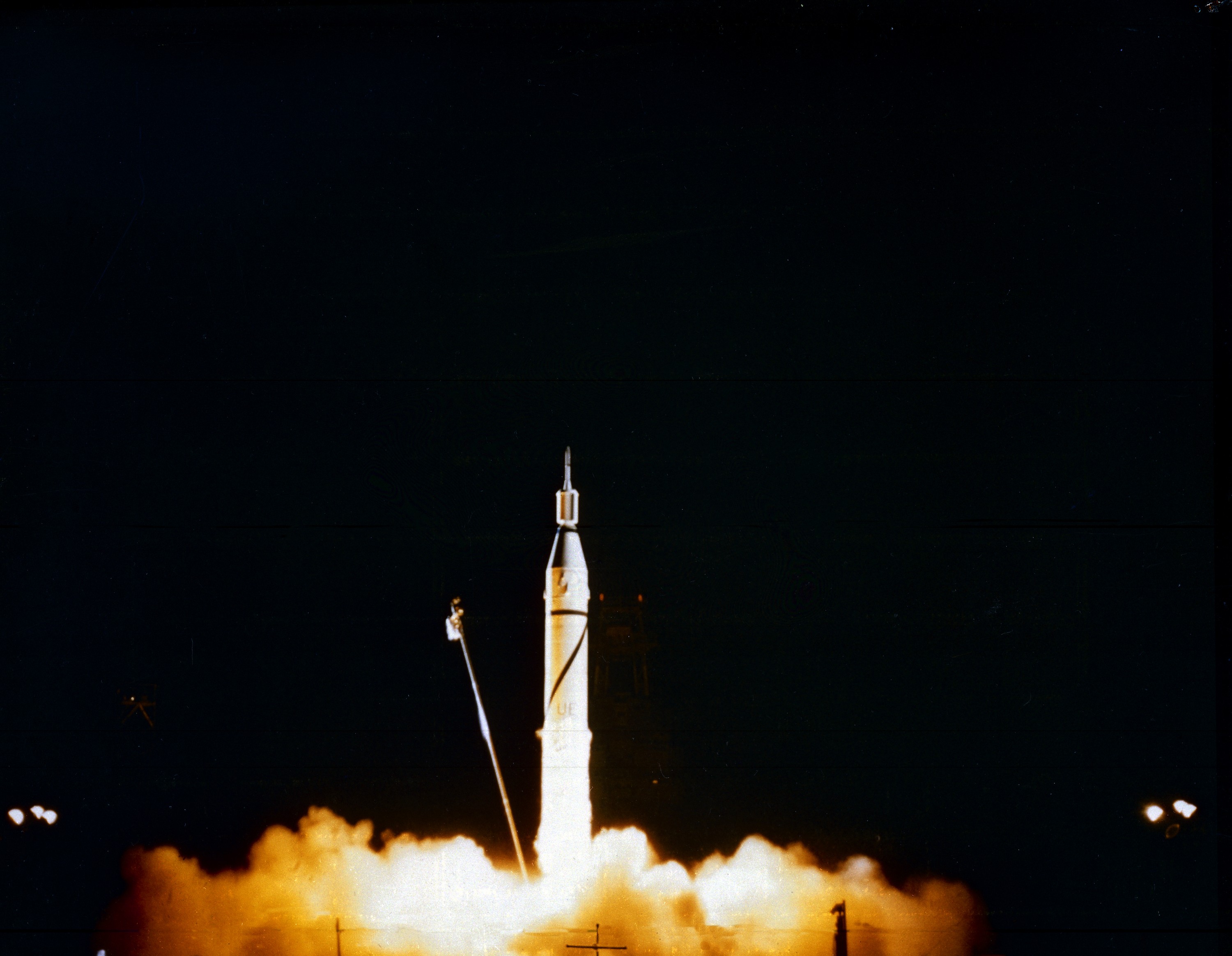
KENNEDY SPACE CENTER, FLA. -- Explorer I launched Jan. 31, 1958.
|
KSC
|
|
1958-01-31T00:00:00Z
|
https://images-assets.nasa.gov/image/116-KSC-68P-17/116-KSC-68P-17~orig.jpg
|
|
|
|
PD
|
[]
|
3
|
GRC-1958-C-47803
|
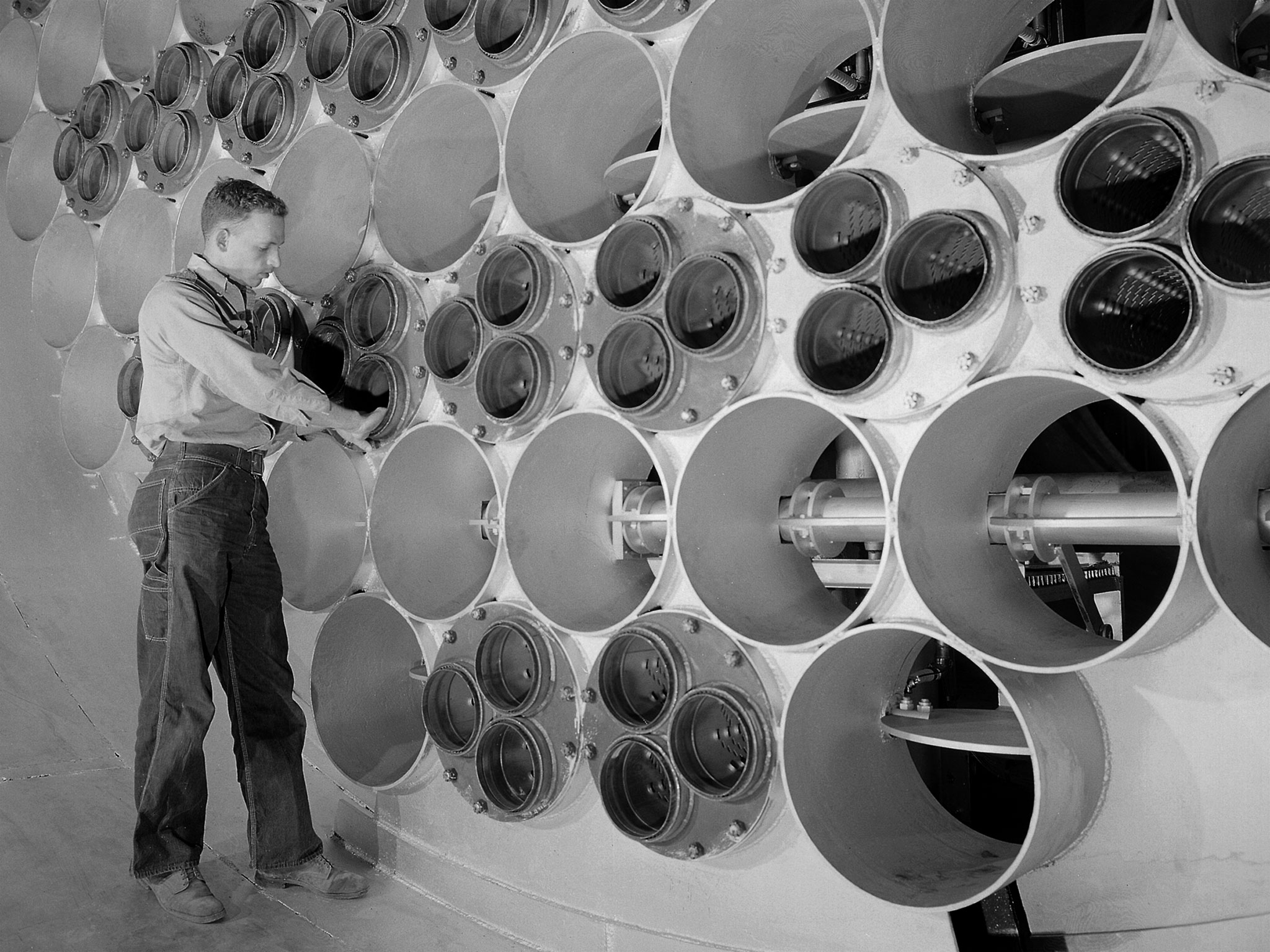
Preheater in the 10-by 10-Foot Supersonic Wind Tunnel
|
The 10- by 10-Foot Supersonic Wind Tunnel at the NACA Lewis Flight Propulsion Laboratory was built under the Congressional Unitary Plan Act which coordinated wind tunnel construction at the NACA, Air Force, industry, and universities. The 10- by 10, which began operation in 1956, was the largest of the three NACA tunnels built under the act. Researchers could test engines up to five feet in diameter in the 10- by 10-foot test section. A 250,000-horsepower axial-flow compressor fan can generate airflows up to Mach 3.5 through the test section. The incoming air must be dehumidified and cooled so that the proper conditions are present for the test. A large air dryer with 1,890 tons of activated alumina soaks up 1.5 tons of water per minute from the airflow. A cooling apparatus equivalent to 250,000 household air conditioners is used to cool the air. The air heater is located just upstream from the test section. Natural gas is combusted in the tunnel to increase the air temperature. The system could only be employed when the tunnel was run in its closed-circuit propulsion mode.
|
GRC
|
|
1958-04-23T00:00:00Z
|
https://images-assets.nasa.gov/image/GRC-1958-C-47803/GRC-1958-C-47803~orig.jpg
|
|
|
|
PD
|
[]
|
4
|
GRC-1958-C-49377
|
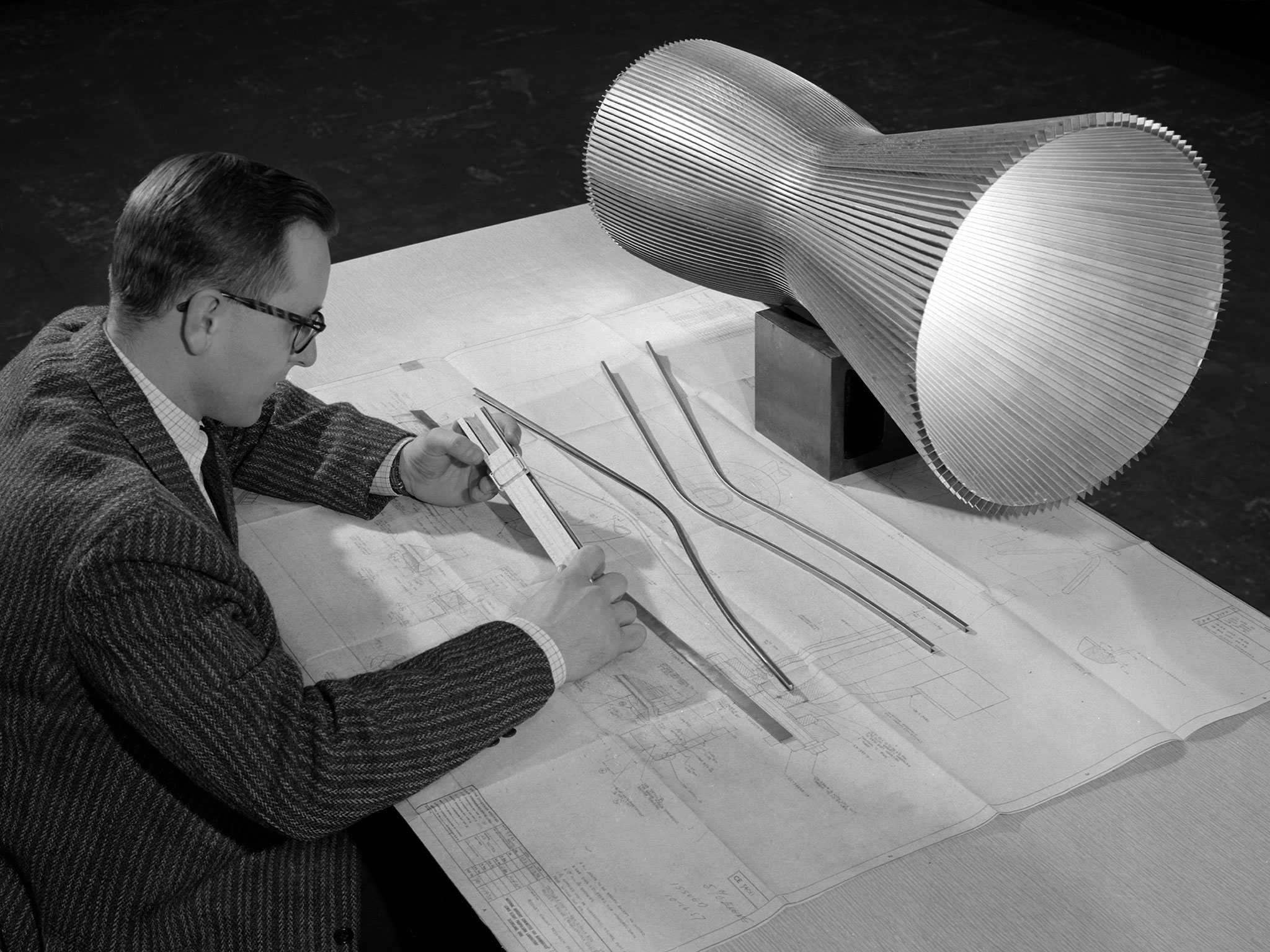
NASA Engineer Examines the Design of a Regeneratively-Cooled Rocket Engine
|
An engineer at the National Aeronautics and Space Administration (NASA) Lewis Research Center examines a drawing showing the assembly and details of a 20,000-pound thrust regeneratively cooled rocket engine. The engine was being designed for testing in Lewis’ new Rocket Engine Test Facility, which began operating in the fall of 1957. The facility was the largest high-energy test facility in the country that was capable of handling liquid hydrogen and other liquid chemical fuels. The facility’s use of subscale engines up to 20,000 pounds of thrust permitted a cost-effective method of testing engines under various conditions. The Rocket Engine Test Facility was critical to the development of the technology that led to the use of hydrogen as a rocket fuel and the development of lightweight, regeneratively-cooled, hydrogen-fueled rocket engines. Regeneratively-cooled engines use the cryogenic liquid hydrogen as both the propellant and the coolant to prevent the engine from burning up. The fuel was fed through rows of narrow tubes that surrounded the combustion chamber and nozzle before being ignited inside the combustion chamber. The tubes are visible in the liner sitting on the desk. At the time, Pratt and Whitney was designing a 20,000-pound thrust liquid-hydrogen rocket engine, the RL-10. Two RL-10s would be used to power the Centaur second-stage rocket in the 1960s. The successful development of the Centaur rocket and the upper stages of the Saturn V were largely credited to the work carried out Lewis.
|
GRC
|
|
1958-12-23T00:00:00Z
|
https://images-assets.nasa.gov/image/GRC-1958-C-49377/GRC-1958-C-49377~orig.jpg
|
|
|
|
PD
|
[]
|
5
|
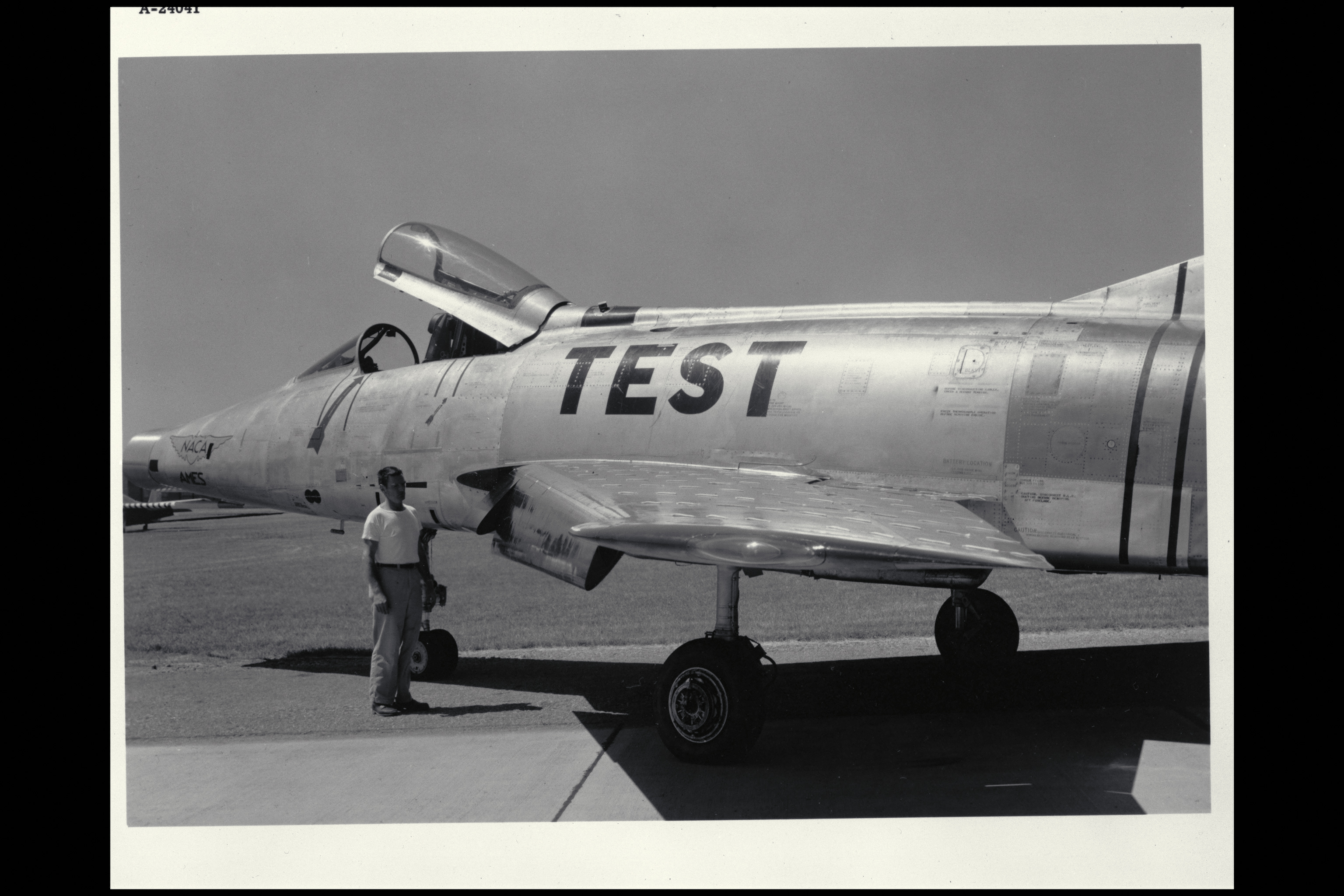
ARC-1958-A-24041
|
ARC-1958-A-24041
|
North American F-100A NASA-200 Super Sabre airplane - wing leading edge deflected 60 degrees for increased lift with boundary=layer control; takeoff preformance was improved 10% (mar 1960)
|
ARC
|
|
1958-07-08T00:00:00Z
|
https://images-assets.nasa.gov/image/ARC-1958-A-24041/ARC-1958-A-24041~orig.jpg
|
|
|
|
PD
|
["NACA"]
|
6
|
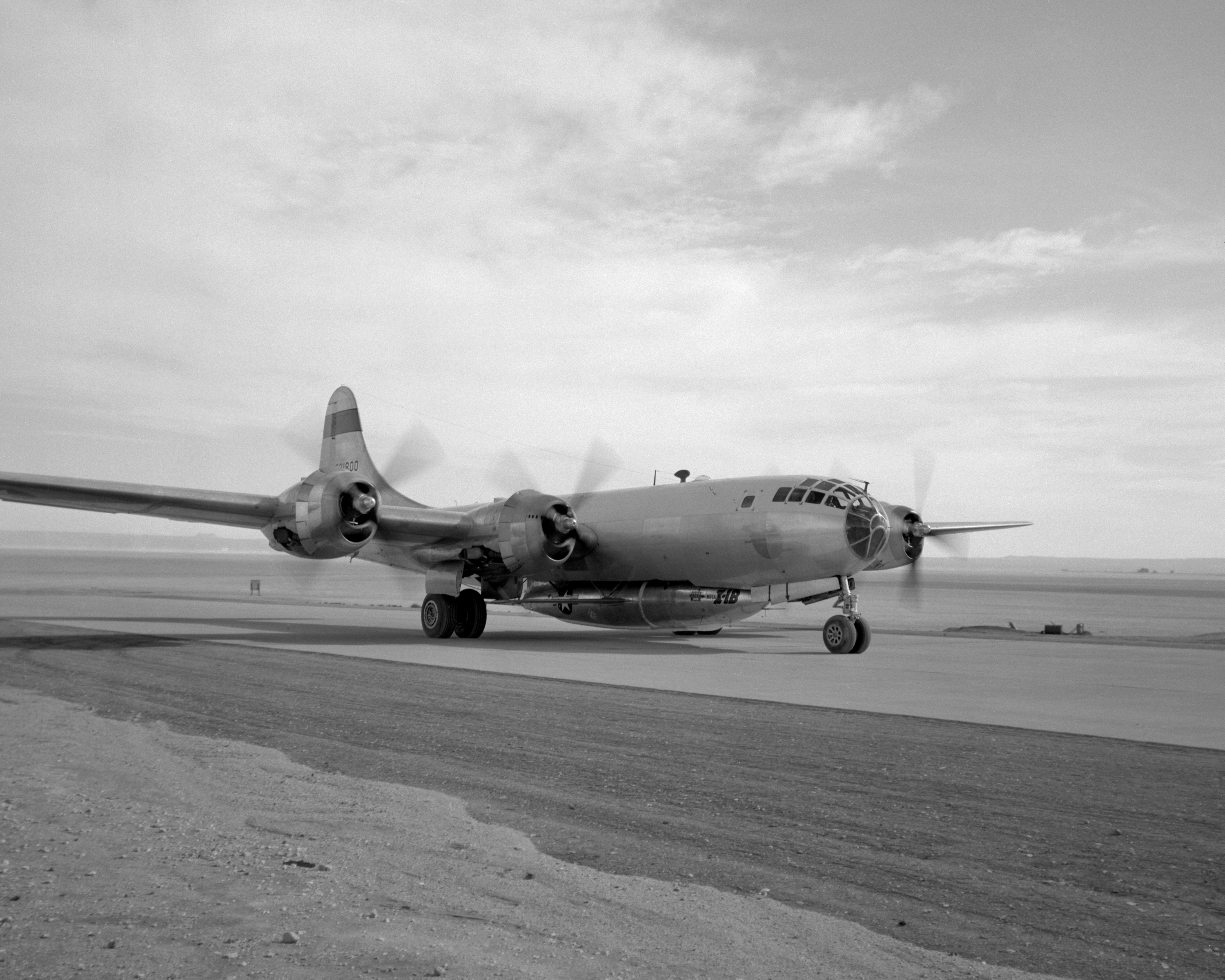
E58-03663A
|
B-29 #800 with X-1B attached taxis in off of the lakebed
|
B-29 #800 with X-1B attached taxis in off of the lakebed.
|
AFRC
|
|
1958-04-09T00:00:00Z
|
https://images-assets.nasa.gov/image/E58-03663A/E58-03663A~orig.jpg
|
3000
|
2400
|
|
PD
|
["X-1B", "Bell Aircraft Company", "NACA", "U.S. Air Force", "Air Force Museum", "Wright-Patterson Air Force Base", "heating research", "reaction controls", "B-29"]
|
7
|
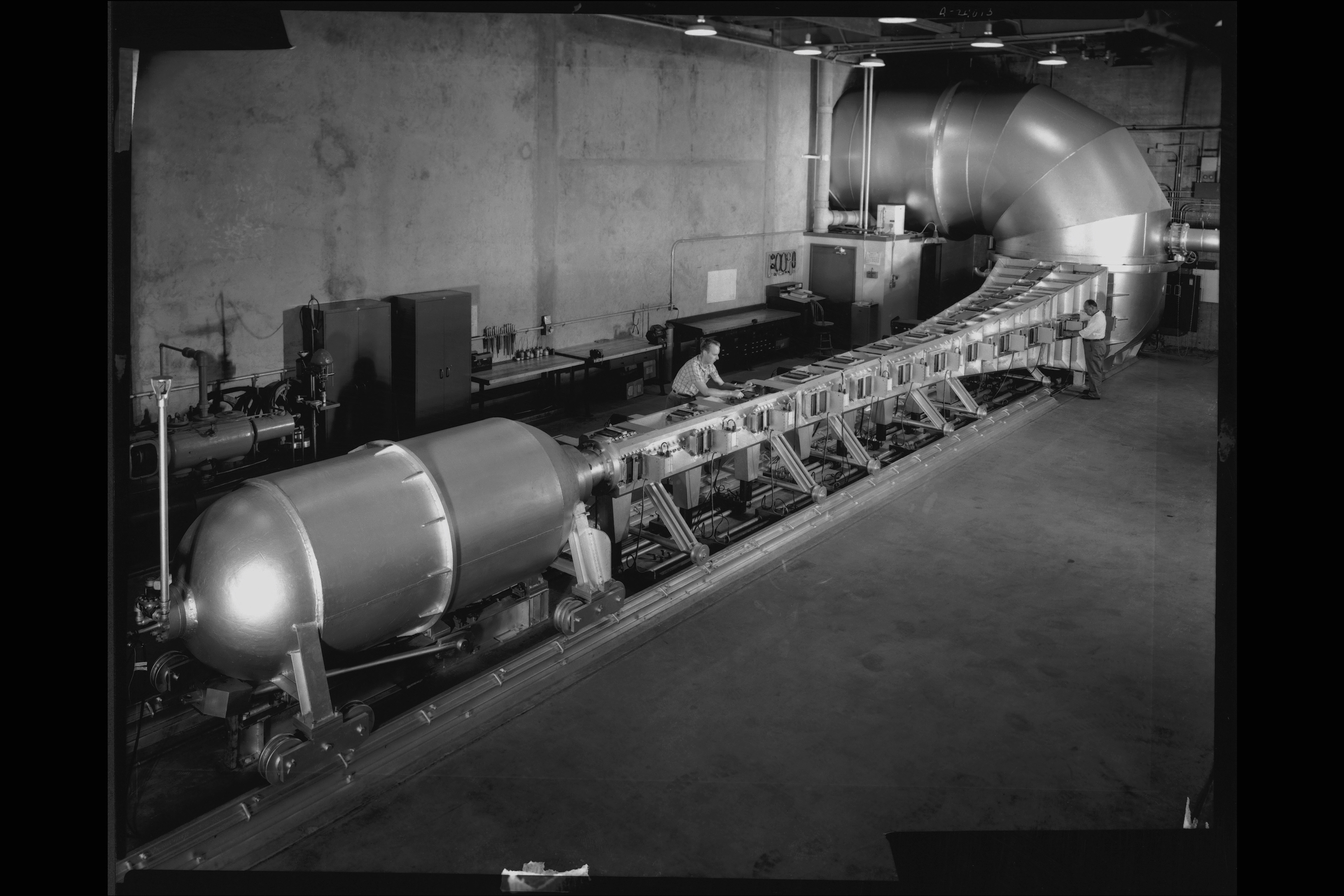
ARC-1969-A-24013
|
ARC-1969-A-24013
|
Atmosphere entry simulator
|
ARC
|
|
1958-07-01T16:00:00Z
|
https://images-assets.nasa.gov/image/ARC-1969-A-24013/ARC-1969-A-24013~orig.jpg
|
|
|
|
PD
|
[]
|
8
|
9248170
|
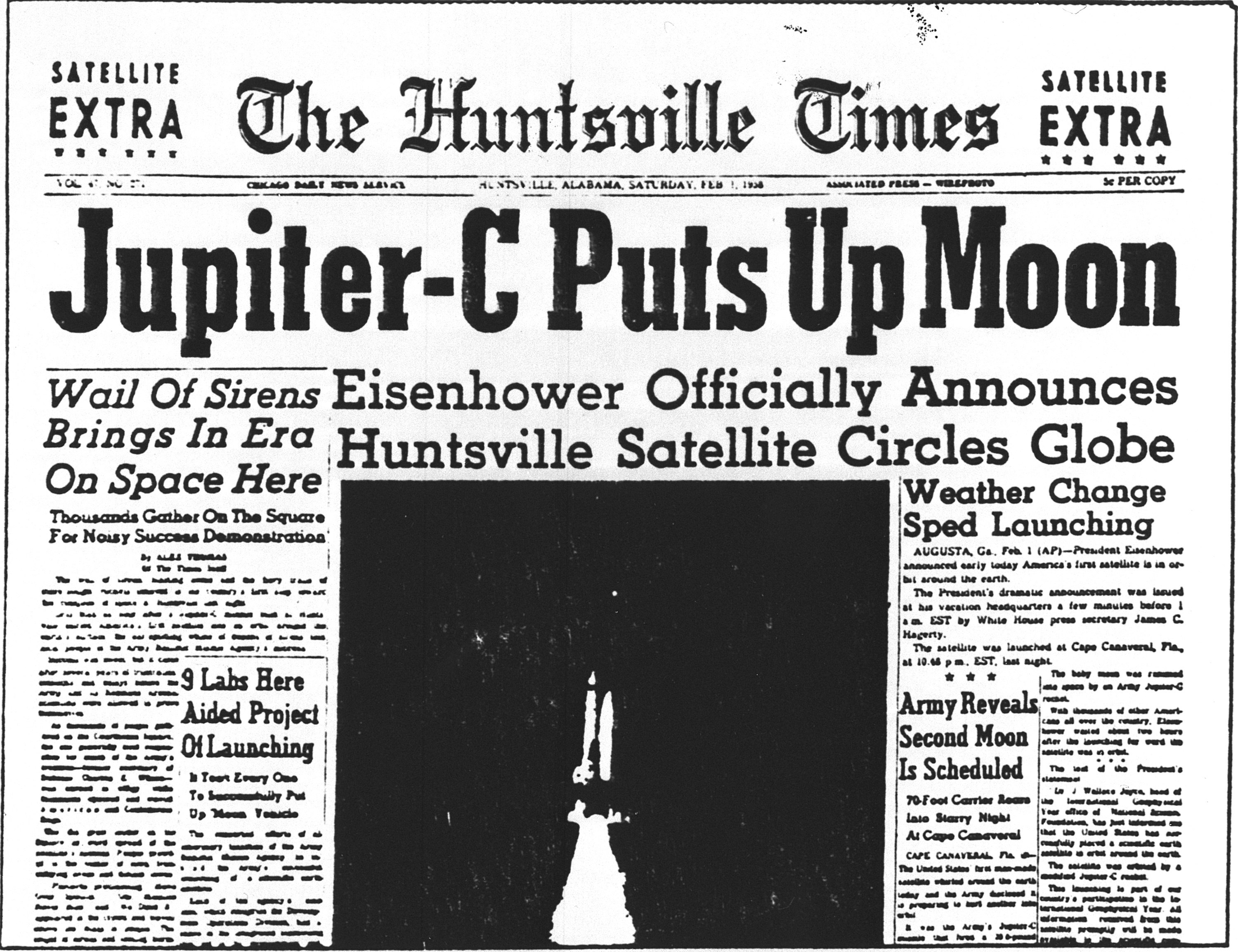
Early Rockets
|
In January 1958, a modified Redstone rocket lifted the first American satellite into orbit just 3 months after the the von Braun team received the go-ahead. This modified Redstone rocket was known as a Jupiter-C. Its satellite payload was called Explorer I.
|
MSFC
|
|
1958-01-01T00:00:00Z
|
https://images-assets.nasa.gov/image/9248170/9248170~orig.jpg
|
|
|
|
PD
|
["Jupiter-C", "American Satellite", "Explorer I"]
|
9
|
LRC-1958-B701_P-01966
|
X-15 Configurations
|
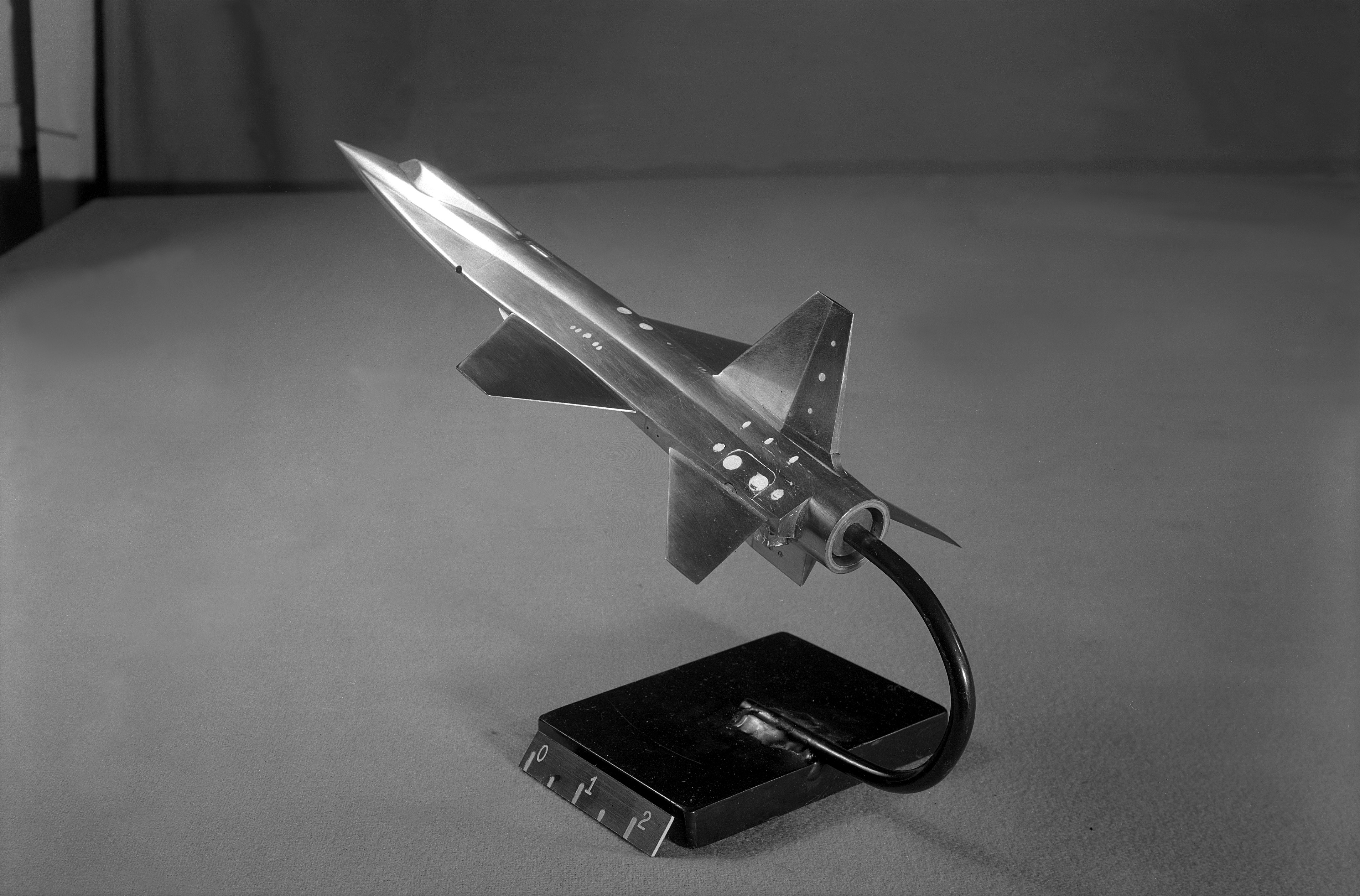
This scale-model of North American's initial X-15 design was tested in North American and NACA wind tunnels note the conventional tail and fuselage side-tunnels that extend far toward the aircraft nose. North American engineers would determine that the variable wedge-angle stabilizer created a weight issue, and aeronautical testing by Langley engineers confirmed that the side-tunnels made the design less stable.
|
LRC
|
|
1958-05-06T00:00:00Z
|
https://images-assets.nasa.gov/image/LRC-1958-B701_P-01966/LRC-1958-B701_P-01966~orig.tif
|
3818
|
2516
|
|
PD
|
["NASA", "Langley", "LRC", "LARC", "1958-L-01966", "X-15", "North American", "LRC-1958-B701_P-01966"]
|
10
|
0100075
|
Early Rockets
|
Launch of Jupiter-C/Explorer 1 at Cape Canaveral, Florida on January 31, 1958. After the Russian Sputnik 1 was launched in October 1957, the launching of an American satellite assumed much greater importance. After the Vanguard rocket exploded on the pad in December 1957, the ability to orbit a satellite became a matter of national prestige. On January 31, 1958, slightly more than four weeks after the launch of Sputnik.The ABMA (Army Ballistic Missile Agency) in Redstone Arsenal, Huntsville, Alabama, in cooperation with the Jet Propulsion Laboratory, launched a Jupiter from Cape Canaveral, Florida. The rocket consisted of a modified version of the Redstone rocket's first stage and two upper stages of clustered Baby Sergeant rockets developed by the Jet Propulsion Laboratory and later designated as Juno boosters for space launches
|
MSFC
|
|
1958-01-31T00:00:00Z
|
https://images-assets.nasa.gov/image/0100075/0100075~orig.jpg
|
|
|
|
PD
|
["Launch", "Jupiter-C", "Explorer-1"]
|